
Global passenger demand up despite Middle East “collapse”
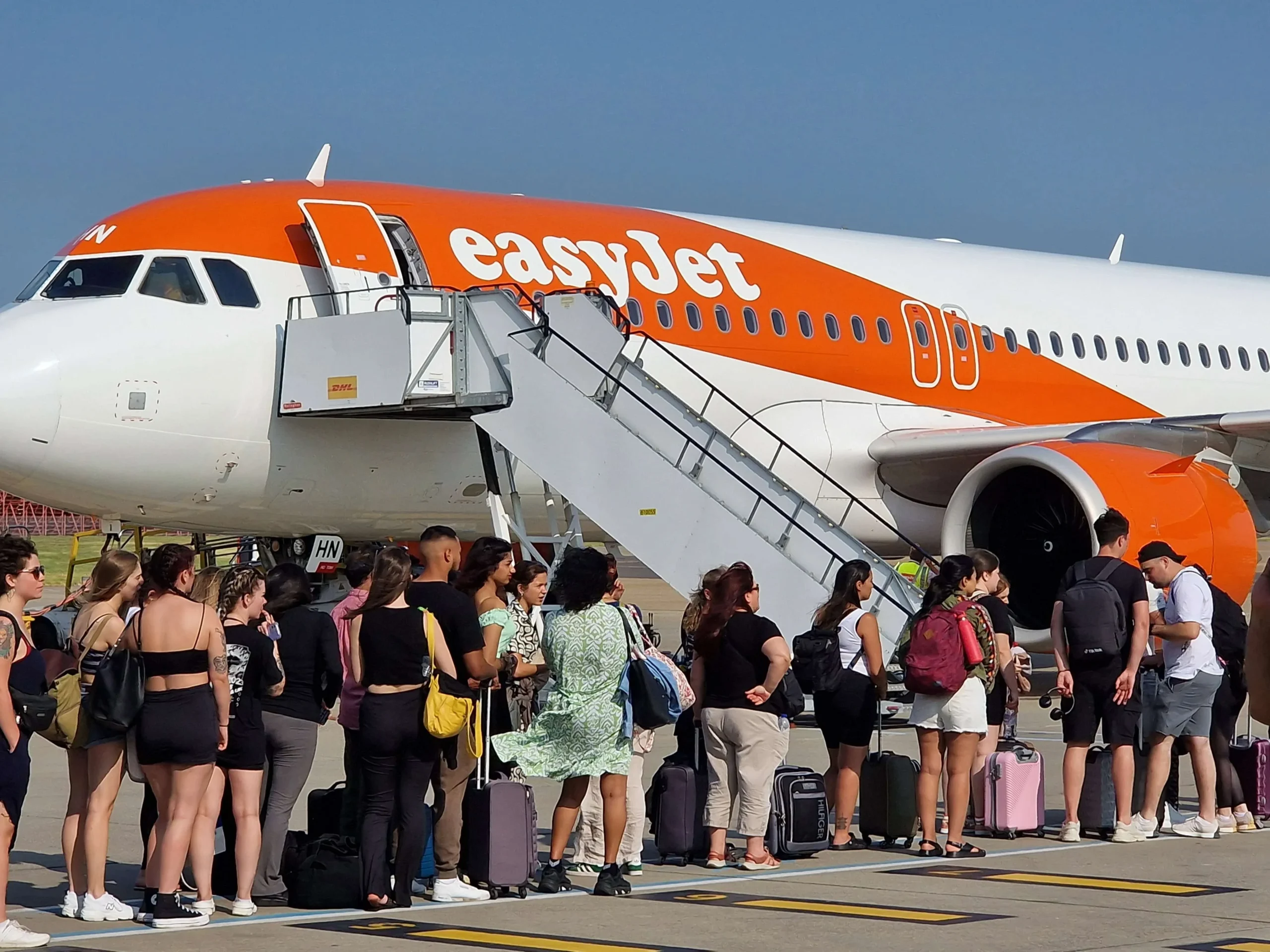
Global passenger demand increased 2.1% in March compared to the previous year, according to data released by the International Air Transport Association (IATA), as robust domestic growth and surging traffic in most regions offset a significant contraction in the Middle East.
Total capacity decreased 1.7% year on year, resulting in a global load factor of 83.6%, an increase of 3.1 percentage points against March 2025. While international demand fell 0.6% globally due to a 60.8% collapse in traffic for Middle Eastern carriers following regional conflict and airspace closures, demand outside the Middle East grew 8%.
“Demand for air travel continued to grow in March despite disruptions in the Middle East. The nearly 61% decline in international traffic by carriers in the Middle East did, however, restrain global growth to 2.1%. Outside of the Middle East demand grew by 8%,” said Willie Walsh, IATA’s director general.
Domestic markets remained a primary driver of growth, with demand rising 6.5% on a 5.6% increase in capacity. China and Brazil led domestic expansion with increases of 13.7% and 10.8% respectively, while Australian domestic traffic rose 8.8%. Conversely, domestic demand in India fell 1.0%, potentially linked to a reduction in feeder flights for Middle Eastern hubs.
In international markets, Asia-Pacific airlines recorded an 11.5% rise in demand, supported by the end of the Lunar New Year period. European carriers saw demand increase 7.7%, with traffic between Europe and Asia jumping 29.3% as passengers opted for direct services to avoid Middle Eastern transit points. North American airlines reported a 3.7% rise in international demand, while African carriers achieved a 19.2% increase, the highest regional growth rate for the month.